DhigaDhina DhineDhinagena DhigeDhina trekredhete gadigene Dhenegene ThineThinakena
DhigaDhina - both Dhis are on Sur
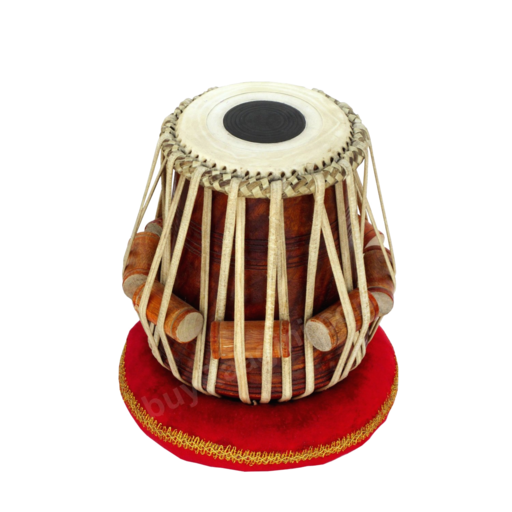
My journal of occasional ideas for original tabla compositions and interesting bols
DhigaDhina DhineDhinagena DhigeDhina trekredhete gadigene Dhenegene ThineThinakena
DhigaDhina - both Dhis are on Sur
Dhigadhinatrekredhetegene thinethinakena
trekre dhete gene
dhatrekre dhetete gene
dhatrekre dhetete kredhetete gene
thinethinakena
Baya comes back at the beginning of the third line
Simple tintal kaida
Theme
Dhin tre kre Dhine Dhine Dha tre kre Thine Thinakena
Variation 1
[Dhin tre kre Dhine Dhine ]x3 Dhine Dha tre kre Thine Thinakena
Variation 2
[Dhin tre kre Dhine Dhine- ]x3 Dha tre kre Thine Thinakena
Variation 3
Dhine [Dhin tre kre Dhine Dhine ]x3 Dha tre kre Thine Thinakena
Dha-Dhenegene DhineDhinagenaDha- DhatidhageDhinagenaDhin-DhatidhageThinakena
mess around with swapping the Dhin- with a Dha-
Dha-Dhenegene DhatidhageDhina Dhenegene DhineDhinagena DhageDhinagena
Oops this is a beat short
DhatrekreDheneGadigenaDhatrekreThinakena
Dhene are both open
Note that the na in Gadigena is Na on kinar, not ne
Dhatidhage Dhenegene Gegenaga Dhinenaga Gadigene Naga Dhatidhage DhineDhinagena
na in naga is Kinar throughout
Dhatidhage Dhenegene GegeTakedhinenaga TagaGadigene DhatidhageDhineDhinagena
Ta is 4 finger na in dhinenaga is Sur
Dha-trekre DhineDhinagena DhineDhinagena
Dhenegene  DhineDhinagena ThineThinakena
DhineTagaNaga DhineTagaNaga Dhinagena
TagaNaga DhineNaga Dhenegene Thinakena
Dhi is open tun
Ta is sur
Na is kinar
Dhene is both open tun
DhatrekreDheteteGene
DhineDhinNanagene DhineDhinagena
DhatrekreDhete ThineThinakena
Rupak tal kaida
Dha-trekreDhetegeneDhineDhinagena
TrekreDheteDhenegeneDhineDhinagena
Dha trekre dhetete gene
Dhatidhage Dhinedhinagena
Trekre dhete gene
Dhatidhage Thinakena
Dha-trekre Dhete
Dhati Dhage
Dhina trekre Dhetete
Dhatrekre Dhetete
Dhagena Dhage
Dhinagena
Dha-trekreDhenegaNageDigeNatrekreDige
DhatrekreDhineDhinagenaDhatrekreDhinagena
DhagenaDhenegeNagenaDhagena
Dha-DhenegeneDhageThinakena
Dhene - both are open
Dhenegene - first two are open, last ne is closed
All the Dhas and Nas are sharply on kinar
It’s ok to accent the first na in Dhinagena
DhagenaDhagena
DhenegeNagena
DhagenaDha-DhenegeneDhageDhinagena
DhenegeNagena
DhagenaDha-DhenegeneDhageThinakena
Dhene - both are open
Dhenegene - first two are open, last ne is closed
All the Dhas and Nas are sharply on kinar
It’s ok to accent the first na in Dhinagena
Couldn’t sleep last night, so this happened:
Theme
genatrekre dhetete genatrekre dhatrekre dhete
gena dhatrekre dhetete gena dhage thinakena
Word boundaries indicate phrasing.
Fun fact:
trekre happens four times, each time starting at a different position within the beat. The first time on the 3rd sixteenth note, then the 2nd, then 1st, then 4th. So try accenting trekre to feel it moving around.
DhatrekreDheteteGene DhatiDhageDhinagena
trekreDheteteGeneDhatiDhagenaDhinagena
kredhatidhadhaTakaDhatiDhagenaDhinagena
DhatiDhagenaDhatiDhagenaDhageThinakena
khali
Ta of Taka is on chapu
DhatrekreDheteteGene
DhatidhageDhinagena
kredhatidhadhaTakaDhatiDhagenaThinakena
khali
Ta of Taka is on chapu
Exploring the tricky fingering when going between Dhinagena and Dheranaga that came up in yesterday’s Kaida-Rela.
Dha-Geranaga Dhinagena Dheranaga Dhine
Dhagena Dheranaga Dha-Dhagena Thinakena
Dheranaga is played the same as Dhinenaga.
Dha-trekre Dhenegene DhagenaDha -trktDhi nanagene Dhenegene Dha-trekre Thinakena
Dha-trekre DheteDhete DhineDhine Dhenegene DhineDhinegena
Dha-trekre DhineThinekena
Dha-trekre Dhine Dhete Dheragene Takite
Dhatrekre Dhete Dhine Dhinegene ThineThinakena
Dha-trekreDhineDhinagena trekreDhinagena
trekreDheteDhenegene DhatidhageThinakena
in triplets
Theme
DhagenaTrekreDhinaganaTrekreDhagenaDhatrekreDhagenaThinakena
In triplets
Theme
Dha-DhagenaDhinagenaTrekreDhinagenaDhagenaTrekreThinakena

1
Dha-DhagenaDhinagenaTrekreDhinagenaTrekreDhinagenaTrekreDhi
Na-DhagenaDhinagenaTrekreDhinagenaDhagenaTrekreThinakena

2
Dha-DhagenaDhinagenaTrekreDhiNa-DhagenaDhinagenaTrekreDhi
Na-DhagenaDhinagenaTrekreDhinagenaDhagenaTrekreThinakena

3
Dha-DhagenaDhinagenaDha-DhagenaDhinagenaDha-DhagenaDhi
Na-DhagenaDhinagenaTrekreDhinagenaDhagenaTrekreThinakena

4
Dha-DhagenaDhiNa-DhagenaDhiNa-DhagenaDhinagenaTrekreDhi
Na-DhagenaDhinagenaTrekreDhinagenaDhagenaTrekreThinakena

5 (reverse theme)
DhagenaTrekreDhinaganaDha-DhagenaDhinagenaTrekreThinakena

6
DhagenaTrekreDhinaganaDhagenaTrekreDhinaganaTrekreDhinagana
DhagenaTrekreDhinaganaDha-DhagenaDhinagenaTrekreThinakena

7
TrekreDhinaganaDhagenaTrekreDhinaganaDhagenaTrekreDhinagana
DhagenaTrekreDhinaganaDha-DhagenaDhinagenaTrekreThinakena

Tihai
[Dha-DhagenaDhinagenaTrekreDhinagena [ DhagenaDha-- ] x3 ] x3
Yesterday I made up this little Kaida in tintal and posted it on this blog and Facebook.
dhatiga trekre dhete gena dhatiga dhinagena
trekre dhetete gena dhatiga trekre thinakena
(spaces indicate phrasing)
On Facebook, Thomas Deneuville, founder and editor of the wonderful online music magazine I Care If You Listen, asked a simple question:
Do kaidas always have to rhyme?
The short answer is no. The type of thing that I shared doesn’t have to have lines that end with a rhyme.
There are two longer answers.
One way Kaidas rhyme has to do with a structure and device that is common in most types of tabla compositions – and many other types of compositions in both north and south Indian classical music. The theme of a Kaida is in two parts, which are identical, except the bass drops out near the end of the first time through, and comes back about half way through the second time through. What I shared above is a sort of short hand, it’s just the first half of the theme. Tabla players know to repeat it without the bass during the first half of the second time through. Like this:
First half:
dhatiga trekre dhete gena dhatiga dhinagena
trekre dhetete gena dhatiga trekre thinakena
Second half:
natika trekre tete kena natiga dhinagena
trekre dhetete gena dhatiga trekre dhinagena
Notice how the last phrase in the first half is thinakena rather than dhinagena, the second half starts with na instead of dha, ka instead of ga, te instead of dhe, and the second half ends with dhinagena instead of thinakena.
This pattern of bass / bass / no bass / bass gives a feeling of forward motion. It’s part of what makes an Indian rhythmic cycle a cycle. Every time through the cycle there is a turnaround and a return.
Because of this repetition with minor variation, Kaidas inherently rhyme.
The second way Kaidas rhyme has to do with the material itself, rather than a cyclical structure. Kaidas usually have internal rhymes. It’s very common for the first half (with the bass) to have two or more lines that rhyme. The lines don’t have to be the same length. Internal rhymes frequently weave around each other in creative ways. A form analysis of my little theme demonstrates this:
A dhatiga
B trekre
C dhete
D gena

A dhatiga
E dhina
D gena

B trekre
C' dhetete
D gena

A dhatiga
B trekre
E dhina
D gena
Here’s a simpler version of this theme, with a smaller vocabulary:
A dhatiga
B trekre
C dhinagena

A dhatiga
C dhinagena

B' -trekre
C dhinagena

A dhatiga
B trekre
C dhinagena
And here’s an even simpler one:
A dhatigena dhinagena
A dhatigena dhinagena
A dhatigena dhinagena
A dhatigena dhinagena
dhatiga trekre dhete gena dhatiga dhinagena
trekre dhetete gena dhatiga trekre thinakena
(spaces indicate phrasing)
dha--gran-gena- ge-na-trekredhete
genagadhatidhagena dhatidhagethinakena
(spaces indicate beats)
or
dha--gran-gena- ge-na- trekredhetete
genaga dhatigena dhatidhage thinakena
(spaces indicate phrasing)
Dha-gena Dha-gena DhagenaDha -genaDha
-Dhagena Dha-gena Dha-gena Thinakena
theme
dha-trekre dhetete gena dhagena dhinagena
trekre dhetete gena dhagena gena thinakena
khali
(Word boundaries show phrasing. It’s in 4 to the beat.)
variation 1
[dha-trekre dhetete gena dhagena dhinagena] x3
trekre dhetete gena dhagena gena thinakena
variation 2
dha-[trekre dhetete gena dhagena] x3
theme
variation 3
dha-[trekre dhetete gena] x3 dha-trekre dhetete gena
theme
variation 4
[dha-trekre dhetete gena] x2 [trekre dhetete gena] x2
theme
variation 5
[dha-trekre dhetete gena] x3 dhagena gena
theme
(Thanks to Jonathan Singer for providing a recording on tabla)